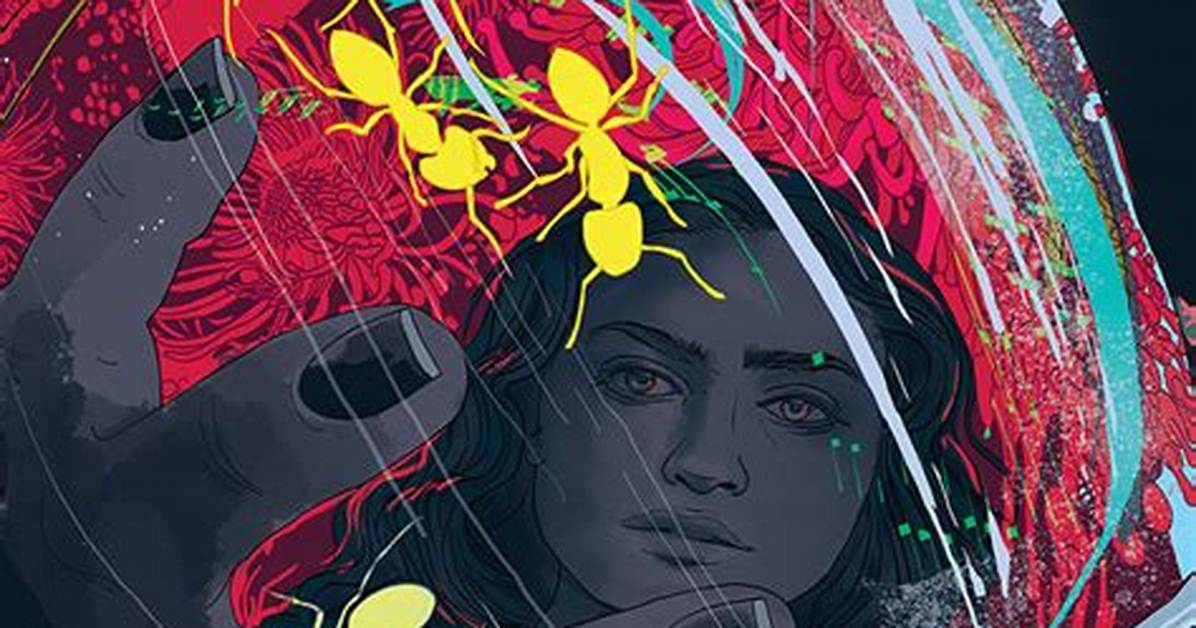
Adrian Tchaikovsky is a name that resonates deeply within the realms of speculative fiction, particularly in the science fiction and fantasy genres. Renowned for his innovative storytelling and intricate world-building, Tchaikovsky has captivated readers with his unique narratives that often explore themes of evolution, ecology, and the human condition. His literary contributions not only entertain but also provoke thought, making him a significant figure in contemporary literature.
In this article, we will explore the life and career of Adrian Tchaikovsky, delving into his background, notable works, and the impact he has made on the literary landscape. Whether you are a long-time fan or new to his writing, this comprehensive guide aims to provide insights into what makes Tchaikovsky a standout author and how his works continue to shape the genre.
Join us as we journey through the fascinating world of Adrian Tchaikovsky, unveiling the intricacies of his stories, the inspirations behind them, and why his works are essential reading for anyone interested in modern science fiction and fantasy literature.
Biography of Adrian Tchaikovsky
Adrian Tchaikovsky was born on June 15, 1972, in the United Kingdom. He has always had a passion for storytelling, which was evident from a young age. His interests in biology and the natural world significantly influence his writings, often incorporating these themes into his narratives. Tchaikovsky's unique perspective allows him to create worlds that are as scientifically plausible as they are imaginative.
Personal Data and Biodata
| Full Name | Adrian Tchaikovsky |
|---|---|
| Date of Birth | June 15, 1972 |
| Nationality | British |
| Genres | Science Fiction, Fantasy |
| Notable Works | Children of Time, Shards of Earth |
| Awards | Arthur C. Clarke Award, British Science Fiction Association Award |
Early Life and Education
Growing up, Tchaikovsky exhibited a keen interest in nature and science. He pursued a degree in zoology, which provided him with a strong foundation in biological concepts that would later permeate his writing. His education not only honed his scientific knowledge but also nurtured his creativity, allowing him to blend factual elements with imaginative storytelling.

