Spy Kids is a beloved franchise that combines elements of adventure, comedy, and family values, captivating audiences of all ages. One of the most unique aspects of the series is the introduction of "thumb people," a concept that has intrigued fans since its inception. This article delves deep into the world of Spy Kids, exploring the significance of thumb people, their cultural impact, and how they contribute to the franchise's enduring popularity. By examining the origins, character development, and various themes presented in the Spy Kids series, we aim to provide a comprehensive understanding of why this franchise remains a staple in family entertainment.
The Spy Kids franchise, created by director Robert Rodriguez, first hit the screens in 2001, bringing innovative storytelling and imaginative characters to life. The thumb people, which are small, thumb-like characters that serve as sidekicks and comic relief, add a whimsical touch to the narrative. Their presence not only entertains but also serves to reinforce the importance of teamwork and collaboration among family members. Through this article, we will analyze how thumb people have become iconic within the series and their role in shaping the overall message of the Spy Kids films.
As we navigate through the various aspects of the Spy Kids franchise, we will also address its reception, box office success, and critical acclaim. This comprehensive exploration will highlight how the franchise has evolved over the years and its impact on both the film industry and popular culture. Join us as we embark on this exciting journey through the world of Spy Kids and uncover the magic of thumb people!
Biography of Spy Kids Franchise
The Spy Kids franchise was created by Robert Rodriguez, who is known for his innovative approach to filmmaking and storytelling. The first film, "Spy Kids," was released in 2001 and follows the adventures of siblings Carmen and Juni Cortez, who discover that their parents are secret agents. When their parents are kidnapped, the siblings must use their skills and gadgets to save them, introducing audiences to a world filled with espionage, action, and humor.
| Title | Release Date | Director | Main Characters |
|---|---|---|---|
| Spy Kids | March 30, 2001 | Robert Rodriguez | Carmen Cortez, Juni Cortez |
| Spy Kids 2: The Island of Lost Dreams | August 25, 2002 | Robert Rodriguez | Carmen Cortez, Juni Cortez |
| Spy Kids 3-D: Game Over | July 25, 2003 | Robert Rodriguez | Carmen Cortez, Juni Cortez, The Toymaker |
| Spy Kids: All the Time in the World | August 19, 2011 | Robert Rodriguez | Marissa Cortez, Rebecca, Cecil |
Understanding Thumb People
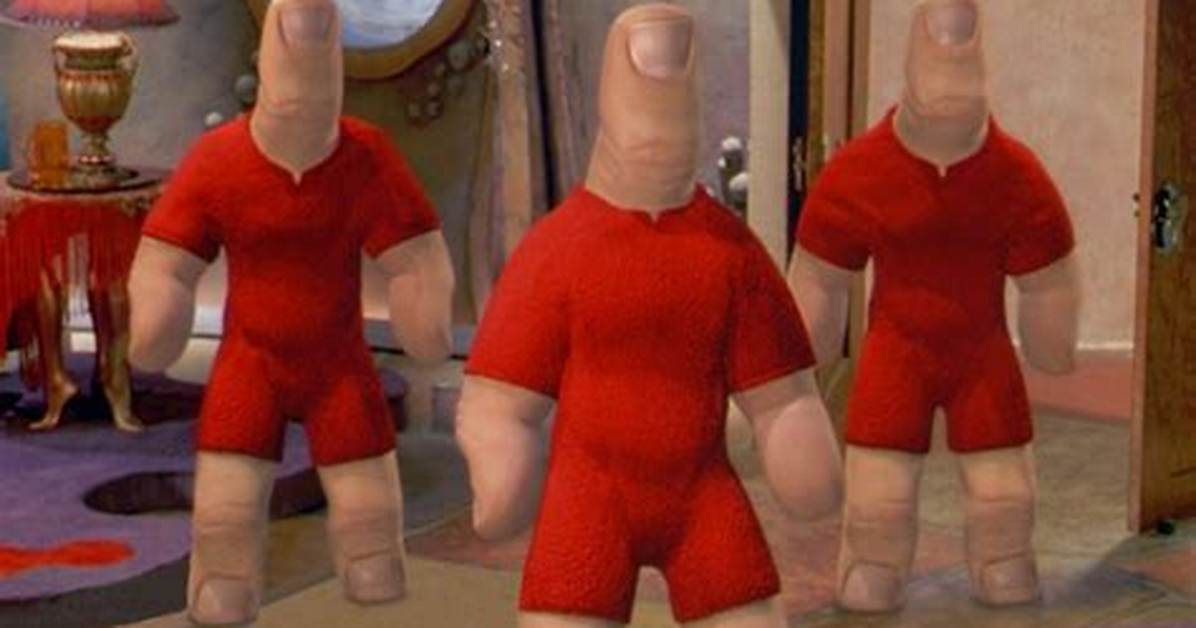
Thumb people, also known as "Thumb-thumbs," are small, thumb-like characters that serve as comedic sidekicks throughout the Spy Kids series. Their unique design and quirky behavior make them memorable characters that resonate with audiences. The thumb people were introduced in the first Spy Kids film and have since become a staple of the franchise.
Design and Characteristics
Thumb people are distinctive in their appearance, resembling oversized thumbs with eyes and mouths. This design choice adds a layer of absurdity to the franchise, allowing for humor and creativity in their interactions with the main characters. Their small stature and exaggerated features contribute to their comedic appeal, often leading to hilarious situations throughout the films.
The Role of Thumb People in the Franchise
In the Spy Kids series, thumb people serve multiple purposes:
- Comic Relief: Their antics provide lighthearted moments amidst the action-packed storyline.
- Teamwork and Collaboration: Thumb people often work alongside the main characters, emphasizing the importance of teamwork in achieving goals.
- Symbolism: They can be seen as representations of the challenges faced by the characters, illustrating that even the smallest individuals can make a significant impact.

