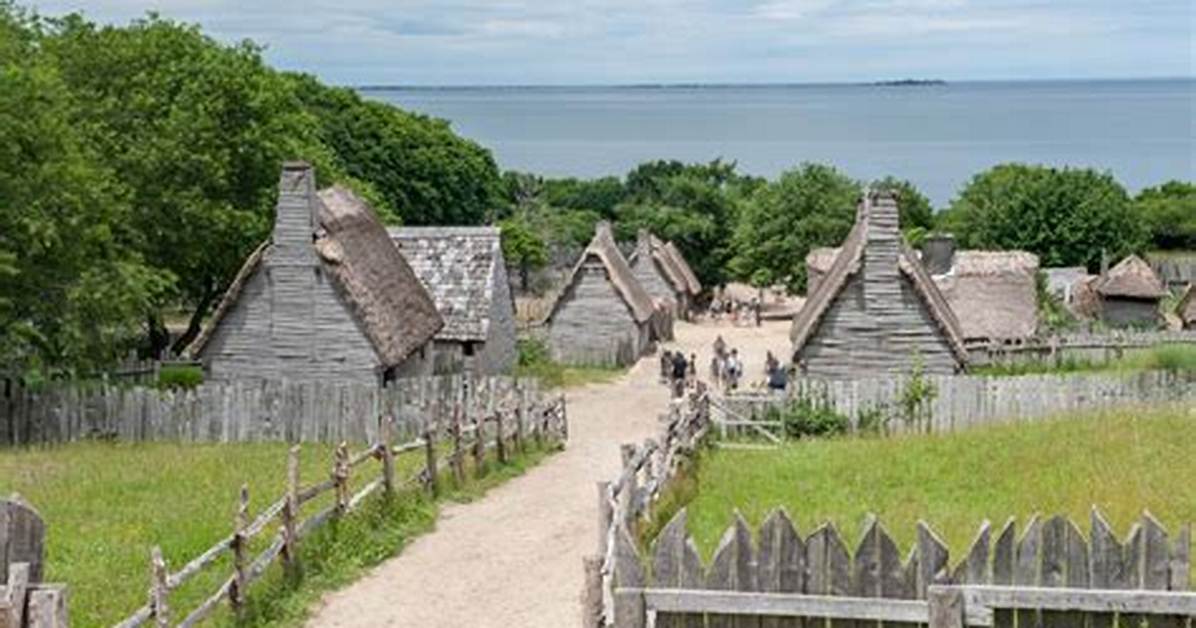
Plymouth Plantation Massachusetts is one of the most significant historical sites in the United States, representing the early days of European settlement in North America. Established in 1620 by the Pilgrims, this site is not only a testament to the courage and determination of the early settlers but also a crucial part of American history. In this article, we will explore the history, significance, and legacy of Plymouth Plantation, along with its cultural and educational impact on contemporary society.
The Pilgrims, a group of English Puritans, sought religious freedom and a better life, leading to their journey across the Atlantic Ocean. Their settlement at Plymouth marked the beginning of a new chapter in American history, characterized by both struggle and triumph. This article will provide a comprehensive understanding of the Plymouth Plantation, its historical context, and its relevance today.
As we delve into the various facets of Plymouth Plantation Massachusetts, we will examine its founding, daily life in the early colony, interactions with Native Americans, and its lasting legacy in American culture. This exploration will not only highlight the historical importance of the site but also foster a greater appreciation for the sacrifices made by those who came before us.
1. History of Plymouth Plantation
Plymouth Plantation, located in present-day Massachusetts, was established by a group of English Pilgrims seeking religious freedom. The Pilgrims, who were part of a separatist movement within the Church of England, faced persecution in their homeland. In 1620, they set sail on the Mayflower, a ship that would carry them across the treacherous Atlantic Ocean to what they hoped would be a new beginning.
Upon their arrival in December 1620, the Pilgrims faced countless challenges, including harsh weather conditions, food shortages, and unfamiliar terrain. Despite these hardships, they established a settlement that would serve as a model for future colonies. The Mayflower Compact, signed by the male passengers on board, laid the groundwork for self-governance and democratic principles that would influence American democracy.
2. Founding of the Colony
The founding of Plymouth Colony was marked by the establishment of a community built on shared values and cooperation. The Pilgrims prioritized communal living, which was essential for their survival in the New World. They constructed homes, planted crops, and formed a government based on the principles outlined in the Mayflower Compact.
2.1 The Mayflower Compact
The Mayflower Compact was a significant document in American history. It established the idea of a social contract, where the colonists agreed to work together for the good of the colony. This agreement is often cited as one of the first instances of self-governance in America.
2.2 Early Settlers and Their Beliefs
The early settlers of Plymouth Plantation were primarily motivated by their desire for religious freedom. They sought to create a society based on their beliefs, which included a strong emphasis on community, hard work, and moral integrity. This foundation would shape the culture of the colony for years to come.

