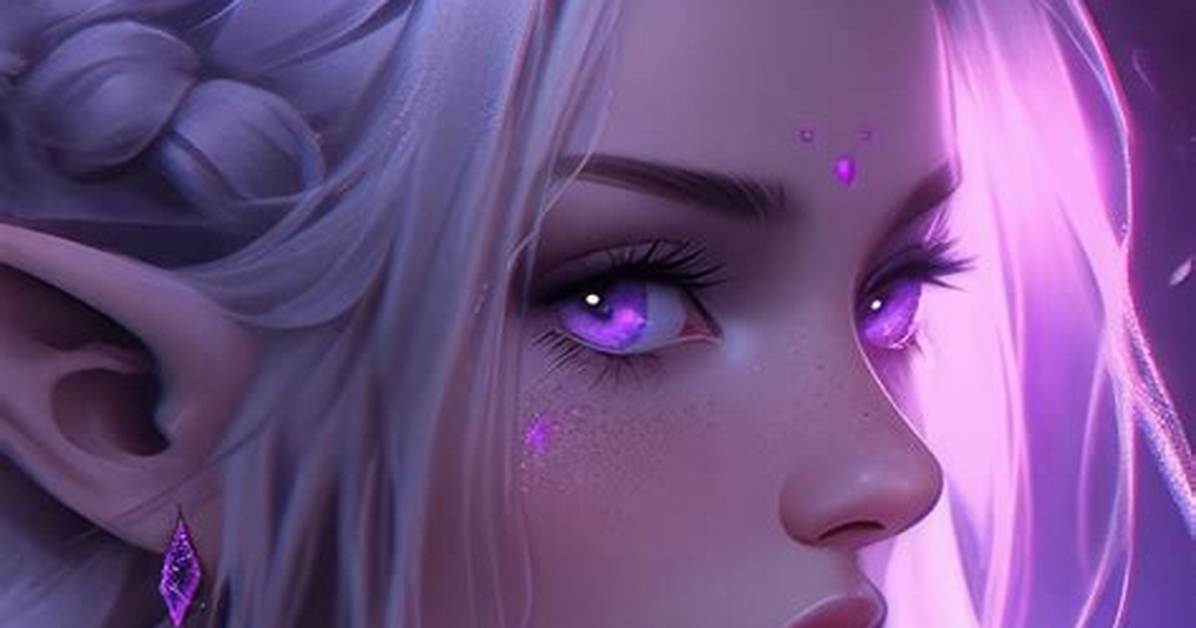
In the enchanting world of fantasy, few creatures capture the imagination as vividly as elves. Pictures of an elf evoke a sense of wonder and magic, bringing to life the ethereal beauty and mystical allure associated with these mythical beings. Whether in literature, film, or art, elves have become symbols of grace, wisdom, and adventure. In this article, we will explore various facets of elves through stunning visuals, delve into their cultural significance, and provide insights into how you can incorporate these enchanting images into your own creative projects.
Elves have long been a part of folklore across many cultures, often depicted as agile beings with pointed ears, possessing magical abilities and a deep connection with nature. The imagery associated with elves ranges from whimsical to dark, depending on the narrative context. From high fantasy settings to whimsical illustrations, the portrayal of elves can vary widely, yet they remain a constant source of inspiration for artists and storytellers alike.
This article aims to be a comprehensive resource for anyone interested in pictures of an elf, providing a wealth of information and stunning visuals that celebrate these fantastical beings. We will cover the historical context of elves, their representation in modern media, and tips for finding and using elf images in your projects. So, let’s embark on this magical journey and explore the captivating world of elves together!
History of Elves in Mythology
The concept of elves has its roots in various mythologies, primarily from European folklore. Initially depicted as nature spirits, elves were often associated with forests, rivers, and the natural world. In Norse mythology, for instance, elves (known as "álfar") were considered powerful beings connected to fertility and the earth.
Over time, their portrayal evolved, especially during the Renaissance period, where literary works began to romanticize them as beautiful and ethereal creatures. This transition marked a shift from their earlier representations as mischievous or malevolent spirits to the charming beings we recognize today.
Key Mythological References
- Old Norse texts mentioning "álfar" as light and dark elves.
- Medieval tales depicting elves as protectors of nature.
- Influence of Shakespeare's "A Midsummer Night's Dream" in shaping the modern perception of elves.
Cultural Significance of Elves
Elves hold a significant place in various cultures, symbolizing different attributes such as wisdom, beauty, and the power of nature. In many stories, they serve as guardians of the earth, embodying the spirit of the wild and the importance of harmony between humanity and nature.
Moreover, elves often play crucial roles in folklore, acting as guides or mentors to heroes on their quests. Their deep understanding of the natural world and magical abilities positions them as essential figures in the narrative arcs of many fantasy tales.
Elves in Contemporary Culture
- The impact of J.R.R. Tolkien's works on the modern fantasy genre.
- Elves in tabletop games like Dungeons & Dragons.
- Representation of elves in video games and animated series.

