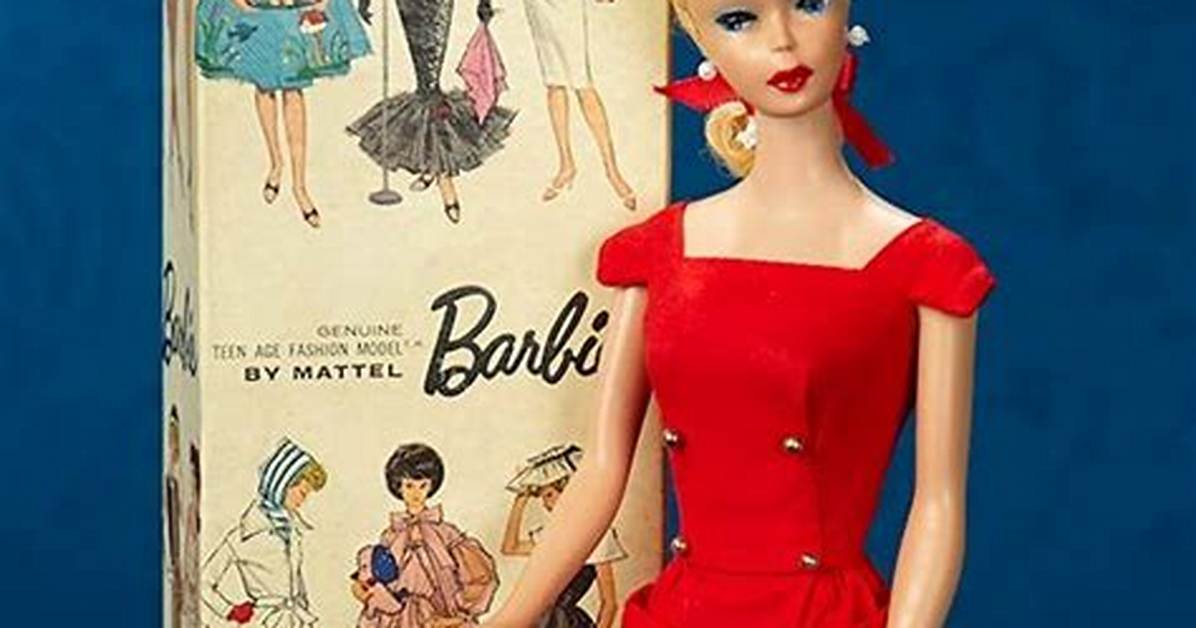
The 1950s marked a significant turning point in the world of toys, particularly with the introduction of Barbie dolls. These dolls not only became a beloved plaything for children but also evolved into a cultural phenomenon that influenced fashion, gender roles, and societal expectations. In this article, we will delve into the history of Barbie dolls in the 50s, exploring their creation, design, and the impact they had on American culture. We will also examine how Barbie became a symbol of femininity and success during a transformative era.
Barbie dolls were introduced by Ruth Handler, co-founder of Mattel, in March 1959. The idea stemmed from Handler's observation of her daughter playing with paper dolls and imagining adult lives for them. This inspired her to create a three-dimensional adult doll that little girls could project their fantasies onto. The first Barbie doll was unveiled at the American International Toy Fair in New York City, and it was an immediate sensation. With her stylish appearance and adult-like features, Barbie quickly captured the hearts and imaginations of young girls across the country.
The significance of Barbie dolls in the 50s extends beyond mere play. They reflected the aspirations and ideals of American society at the time, embodying the post-war optimism and the idealized image of femininity. As we explore the various aspects of Barbie dolls during this decade, we will uncover how they shaped cultural perceptions of women and continue to influence generations to this day.
Biography of Barbie
Barbie, whose full name is Barbara Millicent Roberts, was created in 1959 by Ruth Handler. She was designed to represent an adult woman, which was a departure from the traditional baby dolls that dominated the toy market at that time. Barbie's origin story as a teenage fashion model from the fictional town of Willows, Wisconsin, set the stage for her many careers and adventures. Below is a brief overview of Barbie's biography:
| Attribute | Details |
|---|---|
| Name | Barbara Millicent Roberts |
| Birth Year | 1959 |
| Creator | Ruth Handler |
| Company | Mattel, Inc. |
| First Appearance | March 9, 1959 |
| Inspiration | Ruth Handler's daughter, Barbara |
| Initial Profession | Fashion model |
Design and Features of 1950s Barbie
The original Barbie doll was designed with a sleek, glamorous appearance that captured the essence of 1950s fashion. She stood at 11.5 inches tall and had a slender figure, long legs, and a small waist. Barbie wore a black-and-white striped swimsuit and had a ponytail hairstyle, which became iconic. Some of the notable design features of Barbie dolls in the 50s included:
- Realistic facial features with painted makeup
- Articulated limbs for various poses
- Fashionable clothing representing the latest trends
- Accessories such as sunglasses and hats
Fashion Influence
Barbie's fashion sense was heavily influenced by contemporary trends. Designers like Christian Dior and Hubert de Givenchy inspired her outfits, making her a trendsetter in the world of children's fashion. The doll's clothing line expanded rapidly, with Mattel introducing various outfits that reflected the changing styles of the decade.
Variety of Barbie Dolls
The 1950s also saw the introduction of various Barbie dolls, including different ethnicities and professions. This diversification allowed girls to envision themselves in a variety of roles, further enhancing Barbie's appeal. By the end of the decade, Barbie had taken on roles such as a nurse, a fashion designer, and even a ballerina.

